A look at how three common discovery tools shape visibility for indie games — and why their impact is becoming harder to predict.
From the moment a game begins as a simple idea to the day it finally hits the market, three elements can push it toward success… or leave it buried among thousands of releases, gathering dust next to that very first console you had as a kid.
This trio is well known within the video game industry:
- Wishlists
- Demos
- Gaming festivals
For years, this triangle has been one of the main foundations for building a game’s visibility and success.
But in today’s market, defined by an overwhelming number of releases and fierce competition for players’ attention, many developers, especially in the indie scene, are starting to wonder just how reliable these tools really are compared to a few years ago.
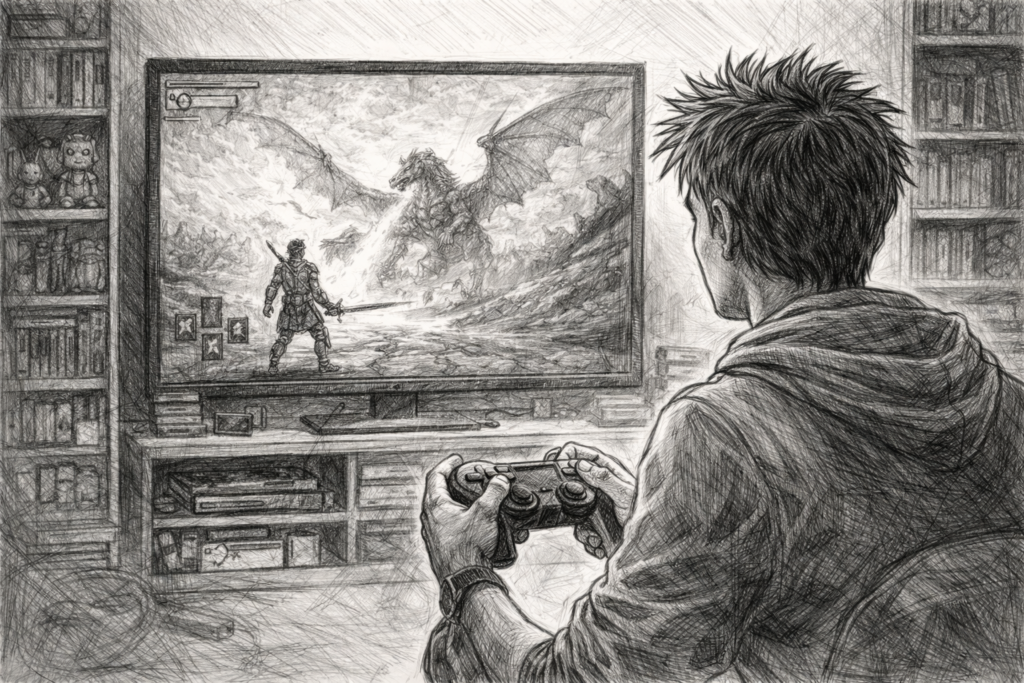
Steam Wishlists: A Useful but Uncertain Metric
In theory, wishlists serve a clear purpose: they help measure potential player interest before a game launches. The more wishlists a title gathers, the larger the pool of players who might buy it on release.
In practice, however, things are not always so straightforward.
Many developers today report a growing gap between wishlist numbers and actual sales. Some games accumulate thousands of wishlists, only to see much smaller conversion rates when launch day arrives.
Part of the explanation lies in the nature of today’s market. The number of available games has grown exponentially, and with it the sheer volume of content competing for players’ attention.
Adding a game to a wishlist often becomes a quick, almost instinctive action: a way of saying “this looks interesting” without necessarily implying a future purchase.
In a way, adding a game to a wishlist can feel like tossing a small stone into a rushing river. Over time, that signal of interest may simply disappear within the constant flow of new releases, discounts, trailers, and announcements.
Game Demos and the Value of Players’ Time
For many years, demos were considered one of the most effective marketing tools in gaming. Allowing players to try a portion of the experience before launch helped generate excitement and build trust in the final product.
Today, however, players’ relationship with demos appears to be shifting.
In an industry overflowing with new games, time itself has become one of the most limited resources for players. Many simply don’t have the hours needed to try every demo that catches their eye.
Some players even express a simple reasoning: if they are already convinced they will enjoy a game, they would rather wait for the full release instead of spending time on a limited slice of the experience.
From this perspective, demos can feel unnecessary. If the interest is already there, many players prefer to save the experience for the complete version.
This creates an interesting dilemma for developers. High demo downloads do not necessarily translate into strong sales, but low downloads do not automatically mean a lack of interest either.
Many players simply prefer to wait until launch day before diving in.
In other words, demos remain a valuable tool, but interpreting their impact has become much more complex than it once was.
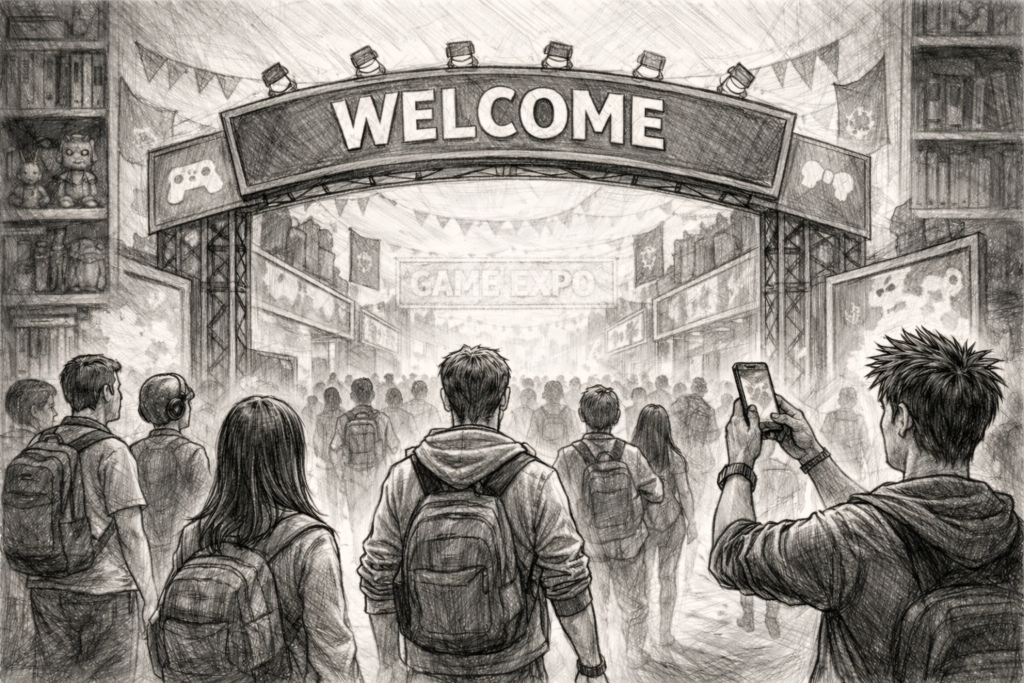
Gaming Festivals: Visibility and Industry Networking
Gaming festivals occupy a unique space within the industry’s ecosystem. Today they exist both as traditional in-person events and as large digital showcases hosted on platforms like Steam.
These events serve several purposes at once: they give visibility to new projects, allow players to try demos, and create opportunities for networking between developers, communities, journalists, and investors.
But here too, indie developers often raise a familiar question:
How effective is participating in a festival if my game hasn’t built any prior interest yet?
In many cases, festivals work more as visibility amplifiers than as starting points. When a game has already generated attention through wishlists, social media, or community engagement, appearing at a festival can multiply that momentum. Without that groundwork, however, the impact may be much smaller.
Not all festivals are the same either. Each one attracts different audiences, has its own dynamics, and offers different levels of exposure. For that reason, developers often benefit from researching which types of games tend to stand out in each event before deciding to participate.
Indie Game Marketing: No Tool Works Alone
For many indie developers, the question becomes inevitable: if wishlists, demos, and festivals can all produce ambiguous signals, what metrics can truly be trusted?
The most honest answer may be that none of these tools work effectively in isolation.
Wishlists can signal potential interest, but they don’t guarantee sales.
Demos can build excitement, but not every player engages with them.
Festivals can amplify visibility, but their success often depends on the groundwork done beforehand.
What increasingly becomes clear is the central role of marketing and visibility, and long-term visibility strategies, as this article published on our own portal suggests.
Why This Matters
For indie developers, wishlists, demos, and festivals remain useful tools, but none of them provide reliable signals on their own.
Instead, success increasingly depends on long-term visibility strategies, community building, and marketing efforts that begin early in development.
Takeaway
Video game marketing cannot be treated as a single step in the development timeline. It doesn’t begin once the game is finished, nor when the release date is approaching.
Instead, it’s a process that accompanies the entire life cycle of a Project, from its earliest stages of development all the way to launch.
In a market where thousands of games are released every year, even a great game can quickly disappear if no one knows it exists.