Two horror fans founded Hama Studio with one goal in mind: creating story-driven horror games with a distinct identity. In this feature, we dive into the rise of indie horror, the challenges small studios face in today’s market, and the upcoming release of The Trials: Chapter II.
Hannah and Marcus founded Hama Studios in 2024 in Stockholm, driven by a shared passion for horror and suspense. From day one, their vision was clear: craft horror games with a strong narrative core instead of relying on visuals or jump scares alone.
What sets the studio apart is its story-first mindset. While gameplay, art direction, and atmosphere all matter, the team believes memorable horror comes from compelling narratives and meaningful player choices.
Hannah serves as Game Designer and Producer. With a background in writing and more than six years of game development experience, she leads the narrative direction of every project. Marcus oversees programming and technical development, turning those ideas into playable experiences while also refining gameplay systems and quality-of-life features. He also contributes to the soundtrack, helping shape the games’ eerie atmosphere.
Hama Studios was born after they noticed a recurring problem in many horror games: despite strong gameplay and visuals, the stories often felt underdeveloped or unsatisfying. That realization pushed them toward a different approach.
As Hannah explains, Hama Studio’s philosophy is to “elevate the story and the gameplay to be the same high level.”
That philosophy carries directly into their games, which focus on mystery, suspense, and player agency—experiences where puzzles, branching decisions, and interactive storytelling shape the outcome.
Challenges in Indie Game Development
Like many independent developers—including Amphoteric Studio, previously featured by Game Centralen—Hama Studio highlights both the creative freedom and the significant hurdles that come with indie development.
Creative Freedom and Technical Challenges
One of the biggest advantages of going indie, according to the team, is the freedom to build games they genuinely want to play. Despite being a small studio, they independently handle programming, gameplay systems, character creation, writing, and artistic direction.
One major challenge has been testing the game’s branching narrative structure. Because The Trials follows a visual novel and choice-driven adventure format, every player decision can lead to multiple outcomes—making bug testing far more complex and time-consuming. Even with help from collaborators and friends, ensuring every route works correctly has required extensive testing and iteration.
Visibility, Marketing, and Community Building
Hama Studio also points to visibility, marketing, and community-building as some of the toughest obstacles in today’s overcrowded gaming landscape. Small studios may have the technical and creative skills to build compelling games, but promoting those projects with limited resources is a completely different challenge. Standing out among thousands of releases—and building a loyal player community—takes time, consistency, and sustained effort.
Despite those difficulties, Hama Studio’s debut release, The Trials: Chapter I, has already gained traction within the indie horror scene.
About The Trials: Chapter I
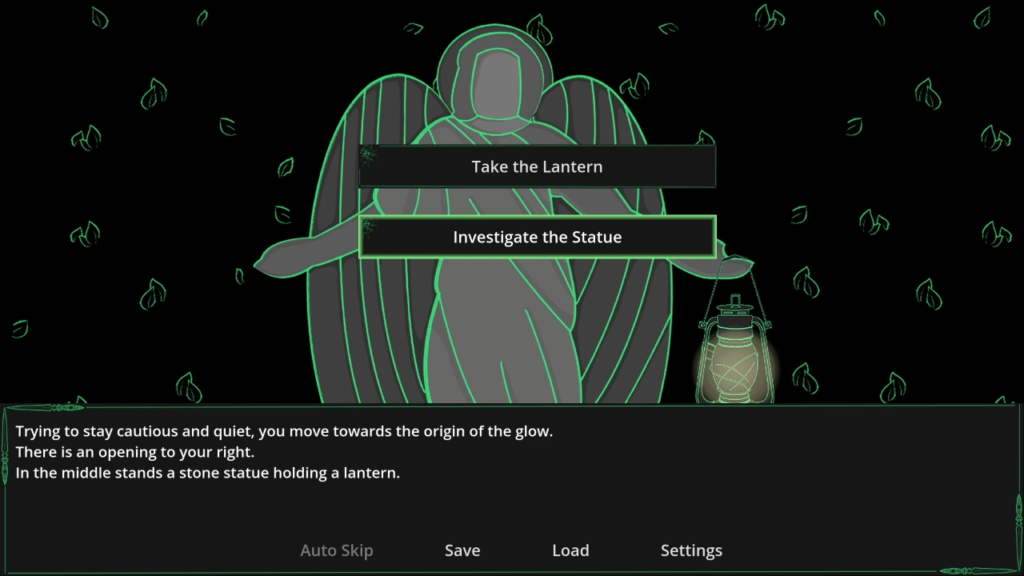
The Trials: Chapter I belongs to the growing genre of narrative horror games—experiences built around storytelling, atmosphere, tension, and player choice rather than fast-paced action.
Inspired by classic ’90s “choose your own adventure” horror experiences, the game combines visual novel elements with branching narratives, mystery, and survival-focused decision-making. Players must escape the horrors hunting them, make critical choices, and carve their own path through a story with multiple endings and outcomes.
The game also includes a Text Adventure Mode, ambient sound design, and a suspense-driven soundtrack designed to deepen immersion. Originally developed as a school project, The Trials evolved into the first chapter of a larger horror saga the studio is building over time.
The game received recognition after being featured in Games Ardor’s “Top Steam Games to Look Out for in August 2025.”
Copyright 2026 © Hama Studios Game Design https://www.hama-studios.com/
The Trials: Chapter II
The Trials: Chapter II can be played alongside The Trials: Chapter I, though each episode is designed as a standalone experience that new players can enjoy without prior knowledge of the series. The demo for The Trials: Chapter II serves as a prequel to the main game and includes the same features while presenting its own original story.
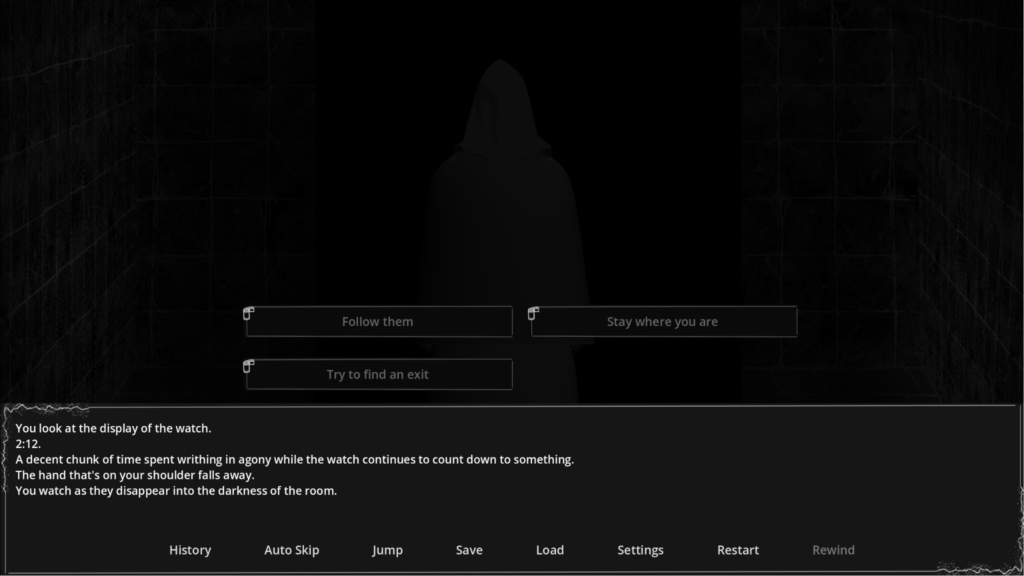
The upcoming chapter introduces several quality-of-life improvements aimed at making replayability smoother and more rewarding:
- Auto Skip
- Rewind
- Jump to Key Choices
These systems allow players to revisit important decision points without replaying entire sections from scratch. The rewind feature in particular lets players return instantly to previous choices to explore alternate paths—a direct response to how players actually engage with branching narratives.
Chapter II will also continue offering Text Adventure Mode, a feature inspired directly by classic choose-your-own-adventure novels that lets players experience the story without relying on visuals.
According to the developers, Chapter II promises greater player freedom, more branching storylines, expanded areas to explore, and significantly higher replay value depending on the choices made throughout. The trailer it’s already online here.
Copyright 2025 © Hama Studios Game Design https://www.hama-studios.com/
Looking Ahead
Narrative-driven horror continues to grow in popularity, especially in the indie space, where smaller teams can experiment with storytelling and player choice in ways larger studios rarely attempt. Hama Studio’s focus on branching narratives, replayability, and story-first horror reflects a real demand for experiences built around player agency rather than action-heavy gameplay loops.
With The Trials: Chapter II, the studio is expanding on the foundation laid by the first game while refining the systems that define how players actually replay and engage with the story. For fans of narrative horror, it’s a series worth following closely.