An inside look at the people behind video games and how their work connects from the first idea to the final release.
What It Takes to Make a Video Game
When players turn on a video game, they usually see a finished product: a title screen, a menu, and a world ready to explore. What they don’t see is the years of coordination, problem-solving, and creative debate that went into making that experience feel seamless.
A modern video game is not the result of one person’s vision alone. It is built by teams of specialists, each responsible for a different piece of the experience. Learning who these people are and how their roles overlap makes it easier to understand, and appreciate why games take time to make and why every decision matters.

Core Creative Roles
Game Director
Every game needs someone steering the ship. A game director provides that direction—shaping the overall vision and ensuring the final game stays true to it.
On a day-to-day level, this role involves constant decision-making. Directors review designs, give feedback to artists, resolve disagreements between departments, and decide what stays or gets cut. While they may not create assets themselves, their influence touches every part of the game.
Game Designer
If the director defines the destination, game designers design the journey. Designers focus on how the game plays: what players do, how challenges escalate, and how systems interact.
They spend much of their time testing ideas, adjusting numbers, and refining mechanics. A weapon that feels too powerful or a level that frustrates players usually lands on a designer’s desk. Their goal is simple but demanding: make the game engaging without feeling unfair or confusing.
Narrative Designer / Writer
Narrative designers shape the context around gameplay, especially in story-driven games, but their role extends beyond traditional narratives. They may write dialogue, structure plots, develop characters, or define the world and tone that support player actions.
Narrative designers collaborate closely with designers to ensure story and gameplay support each other. A dramatic moment has to work within player control, not against it. This balance is what separates interactive storytelling from film or television.
Art and Visual Roles
Concept Artist
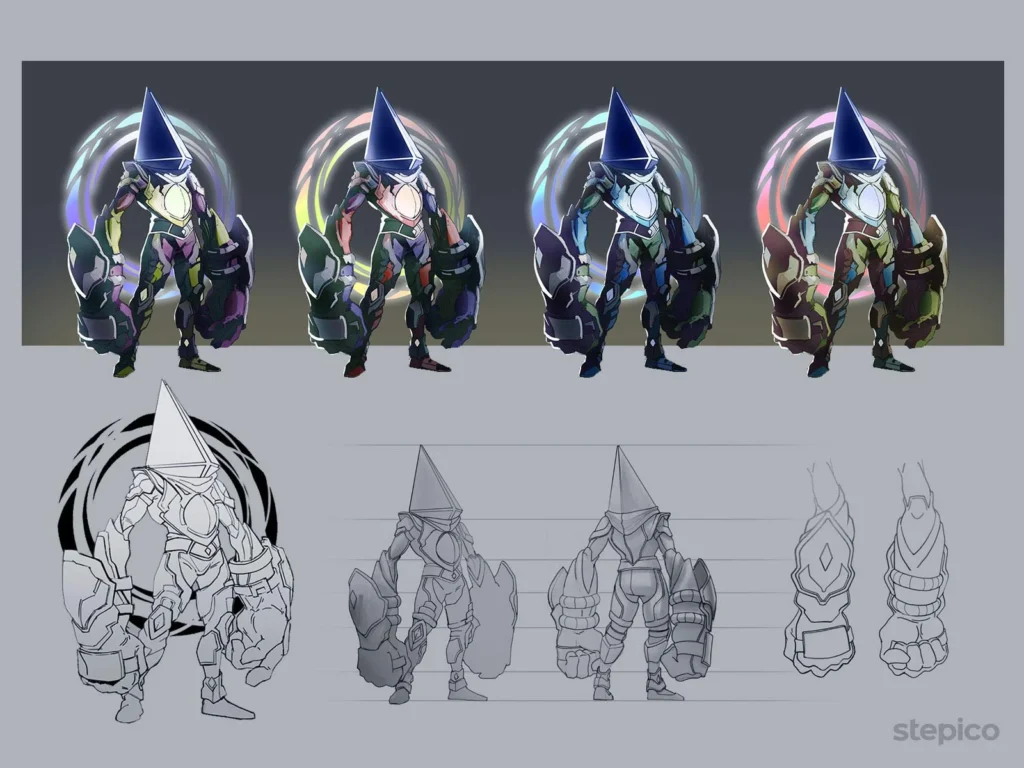
Before worlds are built in 3D, they begin as sketches. Concept artists explore ideas quickly, defining characters, environments, and visual tone long before production ramps up.
Their work acts as a visual blueprint—helping teams agree on a direction early, reducing confusion and rework later in development.
2D and 3D Artists
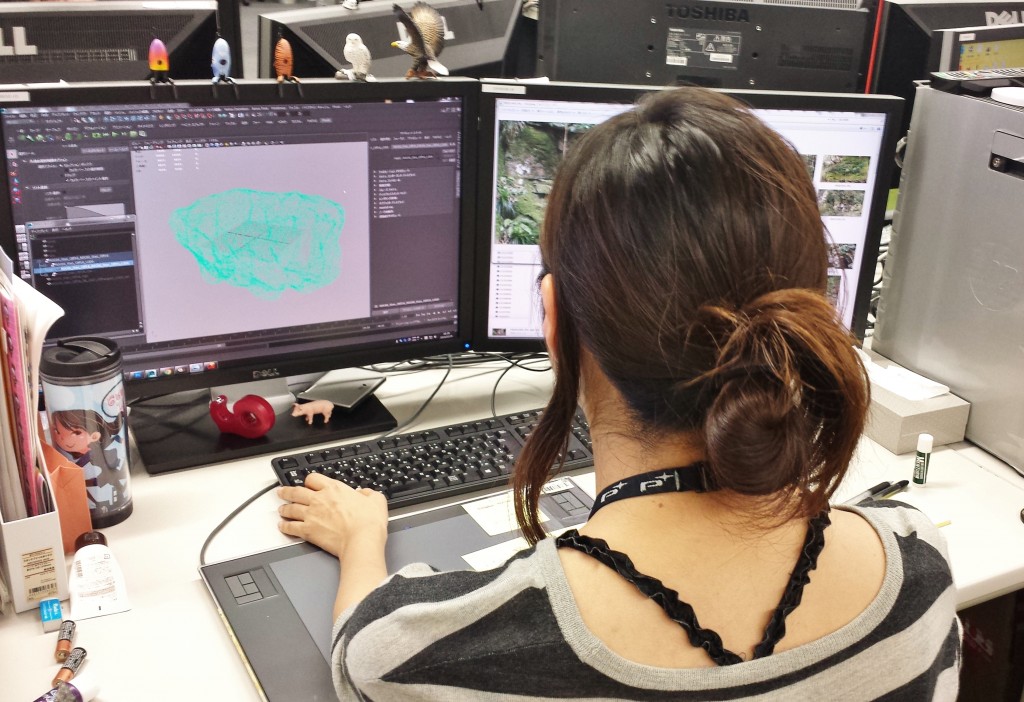
Once the visual direction is set, artists turn ideas into playable assets. They model characters, build environments, and texture objects so they look right from every angle.
Artists must balance visual quality with performance. An asset that appears great but slows the game down isn’t worth the cost.. This constant negotiation between beauty and practicality defines much of the role.
Animator
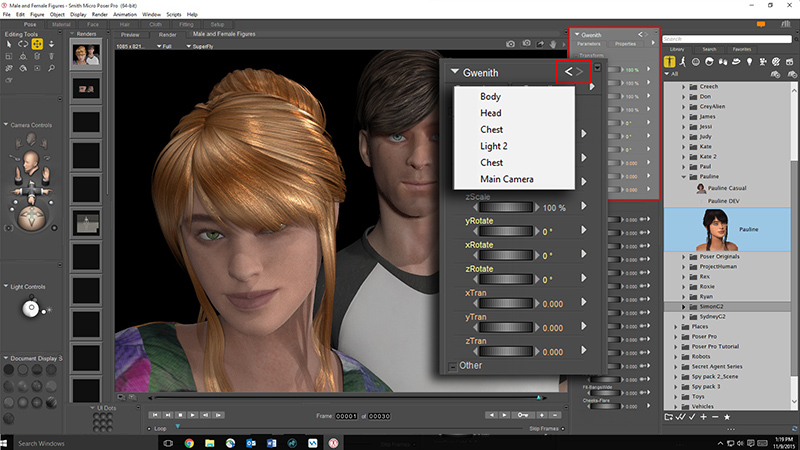
Animation is what makes a game feel alive. Animators define how characters move, react, and express emotion.
A jump that feels responsive or a character that reacts naturally to the environment depends on animation quality. Even small details—like how a character turns or reloads a weapon—can affect how satisfying a game feels to play. In Red Dead Redemption 2, animations are intentionally slower and more detailed. Actions like looting or reloading reinforce realism, but they also make the game feel less immediately responsive than faster-paced shooters. For some players, that weight enhances immersion; for others, it makes moment-to-moment play feel sluggish.
UI/UX Designer
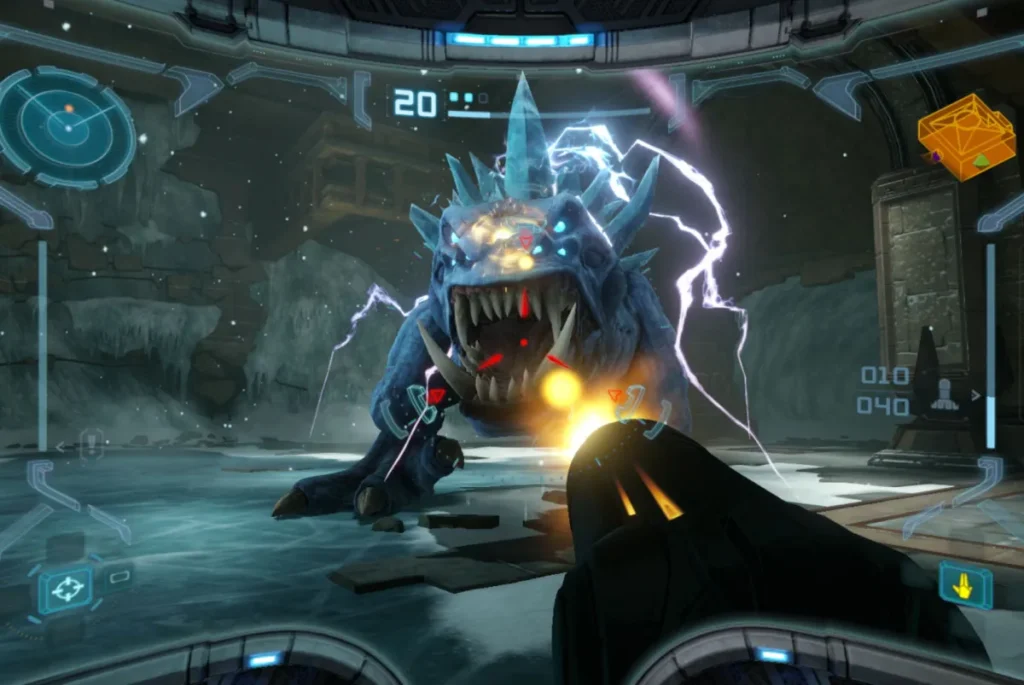
UI and UX designers focus on clarity. Their job is to make sure players understand what the game is telling them at all times. In a video game where a character jumps and moves across levels, a low-health state might trigger a flashing red health bar and a warning sound. Without reading any text, the player immediately understands the message: danger is imminent, and they need to play more carefully or find health.
Menus, HUD elements, and control layouts all fall under this role. When done well, players barely notice UI design. When done poorly, it becomes a constant source of frustration.
Programming and Technical Roles
Gameplay Programmer
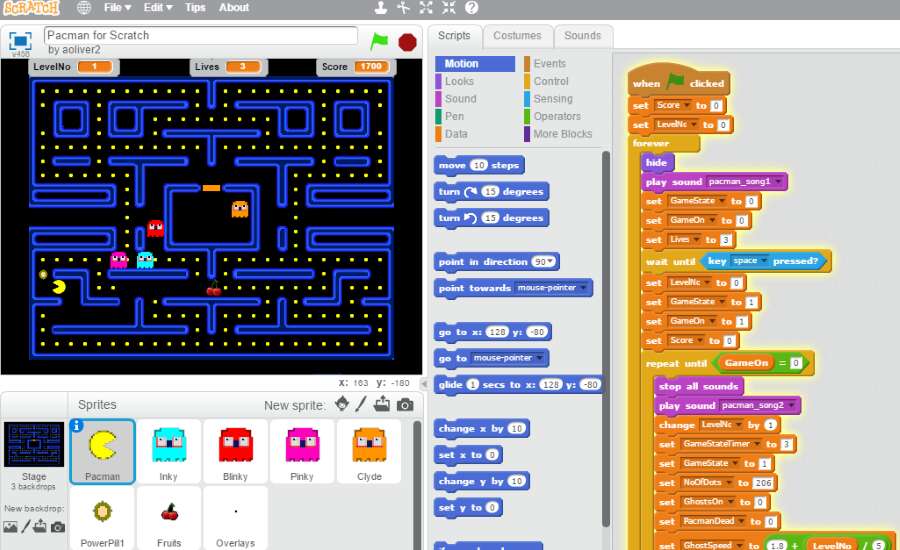
Gameplay programmers turn design ideas into functioning systems. They write the code that controls player movement, combat behavior, and interactions.
Their work often involves iteration. Designers test a feature, provide feedback, and programmers refine it. This loop continues until the mechanic feels right.
Engine or Systems Programmer
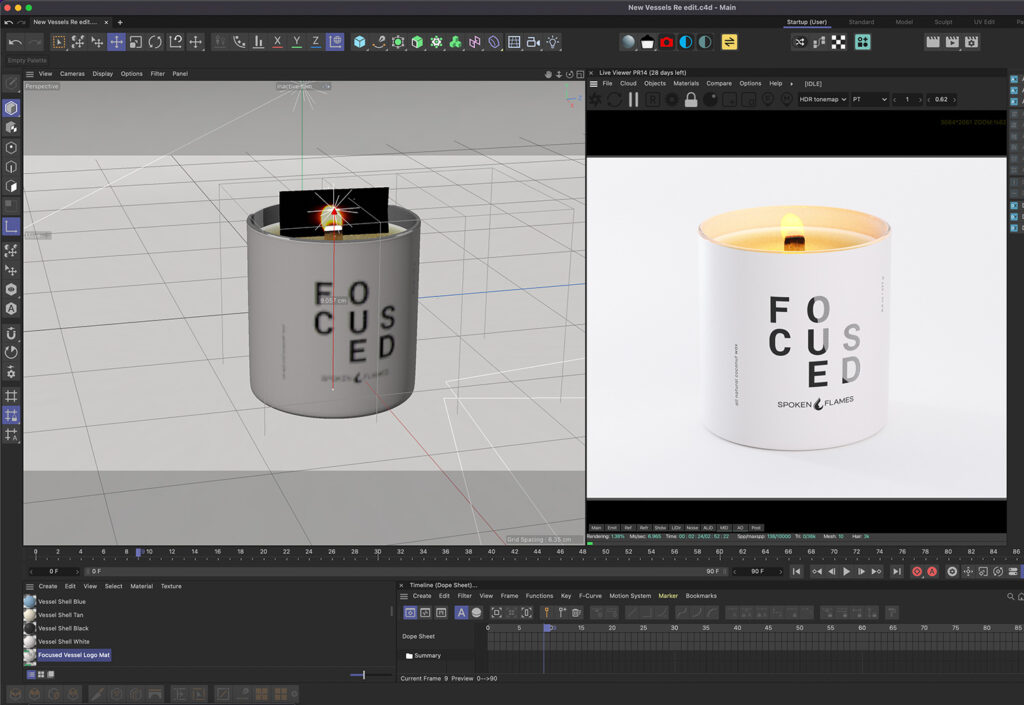
Behind the scenes, systems programmers keep everything running smoothly. They work on rendering, physics, memory management, and performance optimization.
Players rarely notice this work unless something goes wrong. Stable frame rates, fast loading times, and consistent performance are all signs of effective systems programming.
Technical Artist
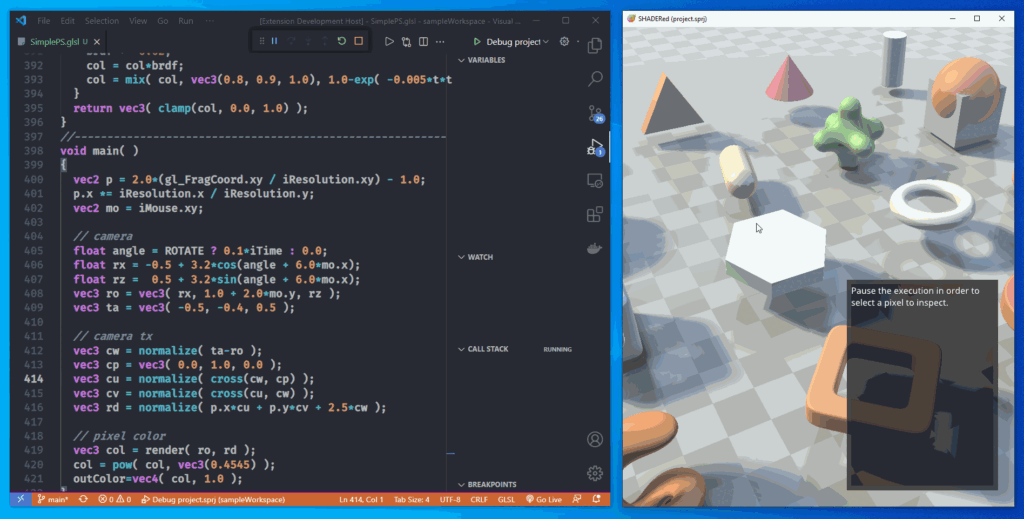
Technical artists operate at the intersection of art and code. They build tools, optimize pipelines, and solve problems that neither artists nor programmers can tackle alone. For instance, if a character or environment looks visually attractive but causes performance drops in a game, a technical artist identifies whether the issue comes from shaders, textures, or asset setup, then adjusts the pipeline so the visuals run smoothly without requiring artists to redo their work.
This role helps teams scale efficiently, especially on large projects with massive amounts of content.
Audio Roles
Sound Designer
Sound designers shape how the game feels through audio feedback. Footsteps, weapon sounds, environmental effects, and UI cues—all come from this role.
Good sound design reinforces player actions and provides information without requiring visual attention.
Composer
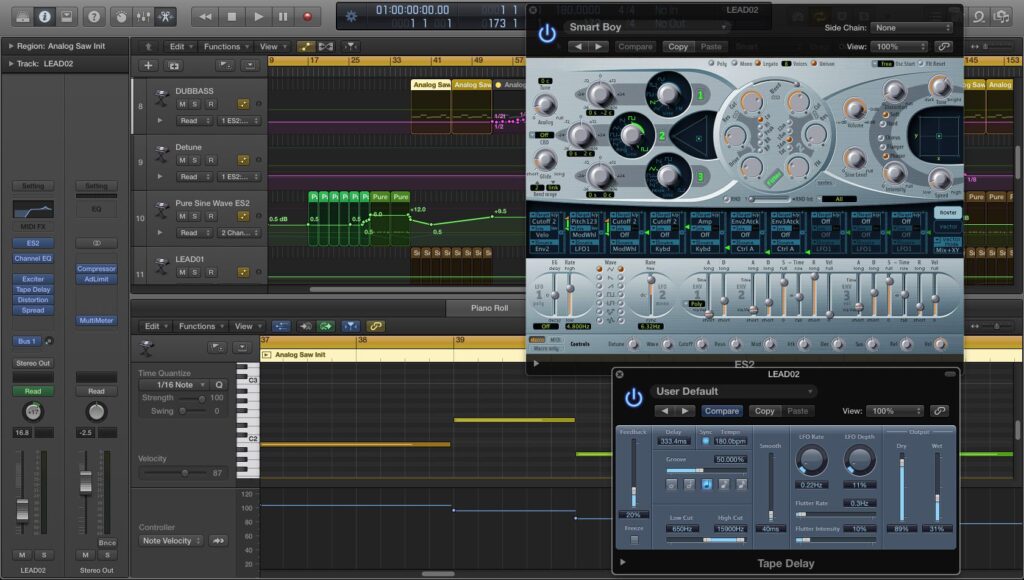
Music sets the emotional tone. Composers write themes and background tracks that respond to gameplay states.
The best game music enhances immersion without distracting from play, weaving seamlessly into changing situations.
Production, Testing, and Support Roles
Producer / Project Manager
Producers focus on logistics. They manage schedules, coordinate teams, and track progress against milestones.
While they may not make creative decisions, producers ensure the creative work can actually be completed on time.

Quality Assurance (QA) Tester
QA testers are the first players—but with a critical eye. They look for bugs, inconsistencies, and balance issues.
Their reports help teams catch problems early, improving stability and polish before release.
Community and Live Operations
After launch, some team members continue supporting the game. They monitor player feedback, help plan updates, and keep the game healthy over time.
This role is especially important for multiplayer and live-service titles.
Why This Matters for Players
Understanding how many roles contribute to a single feature explains why development is complex and why changes take time. A small adjustment often affects design, code, art,testing, and sometimes—all at once.
For players: this perspective adds context to delays, patches, and post-launch updates. Games are not static products—they are the result of ongoing collaboration.

A Shared Creative Process
Video games are built through teamwork. Each role brings a different skill set, but no role works in isolation. When collaboration succeeds, players experience a game that feels intentional, responsive, and complete.
For players, knowing how many roles are involved helps explain why delays happen, why patches take time, and why even small changes often require broad coordination across a team.
Seeing the people behind the screen makes it clear: great games are made together.