Before the World of Assassination trilogy, Hitman was a quieter, colder, and more deliberate experience — one that defined stealth with precision and style.
When Hitman Had Class
When I first played Hitman: Codename 47, something about it instantly stood out.
I was already familiar with games like Tomb Raider, diving into Max Payne’s chaos, and causing mayhem in GTA. But Hitman felt completely different.
It didn’t shout for attention it whispered. It was quiet, deliberate, and strangely elegant.
The very first notes of its soundtrack told me this wasn’t just another action game. That haunting orchestral sound gave me chills. It made me feel like I was part of something secret a silent world where every move mattered.
Hitman had a kind of class I had never seen before.
A Childhood Discovery
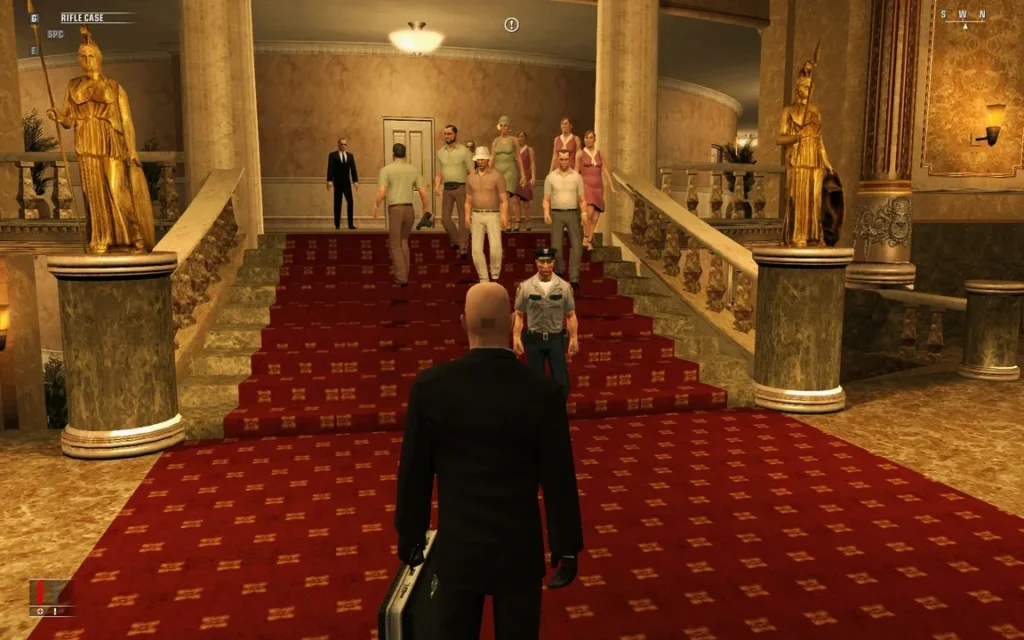
I remember playing Hitman: Codename 47 for the first time as a child. The name seemed quite odd to me, upfront. I wondered, “what the heck does codename 47 mean? Am I supposed to solve a puzzle or what?”
There weren’t any guides or tutorials other than the literal gamification tutorial which was the very first level, but again it was so different that any other game I had played (and I had played tons!) that I was clueless for a couple of days on how to navigate it.
Back then, the internet wasn’t as accessible as it is now — and certainly no ChatGPT to explain what to do. It took more than a few attempts to complete the first mission.
In that first level, Agent 47 had to tase a guard. Being unsure of what to do, I kept getting tased instead of acting first — I could have easily stabbed or shot the guard the moment the elevator doors opened.
Only after a friend explained it during a casual conversation was I able to progress. That was a powerful realization: Hitman wasn’t about chaos or speed — it was about patience, timing, and observation. That one mission taught me more about strategy than any other game I had played.
The Elegance of the Early Games
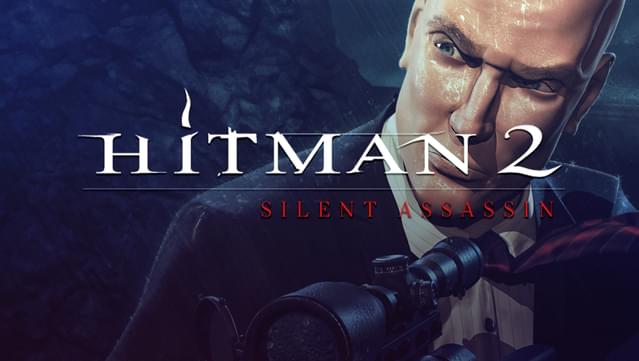
From Codename 47 to Silent Assassin, Contracts, and Blood Money, the early Hitman titles had a special atmosphere. They were dark, quiet, and confident. You didn’t play as a hero or a villain you played as a professional.
Every mission felt like a carefully constructed puzzle where every choice mattered.
The music by Jesper Kyd unforgettable. It wasn’t just background noise — it was an essential part of the experience. The tension rose and fell with every move, perfectly mirroring 47’s calm but deadly precision.
One detail I’ll never forget is the tension meter in Hitman 2: Silent Assassin. Watching it slowly rise as NPCs grew suspicious made my own heart rate climb. It turned stealth into something physical every step, every disguise, every sideways glance carried real weight.
Later games had tension too, but that raw, nerve-tightening feeling never quite returned.
Those early titles respected the player they demanded thought, patience, and self-control. Success felt earned, not distributed.
When you executed the perfect plan, it wasn’t just victory it was art.

The New Era of Hitman
Years later arrived Hitman: Absolution, a game I was desperately waiting for. The trailers promised cinematic visuals and fluid gameplay and that the game delivered, what it failed to, though, was the original Hitman feel.
It traded the series’ quiet precision for a more mainstream action tone, blending in with the very games it once stood apart from. Absolution reached a wider audience and showcased IO Interactive’s craftsmanship, but it also marked a turning point — a moment when style began to outweigh subtlety.
Then the World of Assassination trilogy Hitman (2016), Hitman 2, and Hitman 3 brought the series full circle.
The developers re-embraced open-ended missions, massive sandbox levels, and player creativity. The freedom to approach objectives in countless ways was astonishing.
Hitman 3, in particular, became a triumph. It recouped its entire development cost within a week and became IO Interactive’s most profitable game ever. Its replayability, detail, and design were unmatched in the stealth genre.
A Different Kind of Connection
And yet, despite how much I admire the modern games, my connection to the older ones runs deeper.
The new trilogy is technically brilliant smooth, smart, and stylish but it doesn’t quite capture the same sense of quiet tension and isolation.
In the older games, I felt like I was becoming a professional assassin learning, adapting, and climbing the ranks.
In the newer ones, I sometimes feel more like a traveler exploring beautiful locations, experimenting with creative kills, but missing that sense of gradual mastery.
It’s not a downgrade, just a shift. The series has evolved, and that’s part of its legacy.
The modern Hitman games highlight creativity and humor in ways the classics couldn’t but that quiet, deliberate atmosphere of the early titles will always have a special place in my memory.
Maybe it’s also because back then, entertainment options were limited, and we truly enjoyed what we had. Scarcity makes things more meaningful.
Why the Classics Still Matter
Maybe it’s nostalgia. Or maybe it’s something deeper. The early Hitman games taught patience. They made you listen to silence, read the room, and think before acting. They weren’t about victory they were about discipline. They taught that success follows when you are calm and poised.
Even now, I remember walking through a crowded party in disguise, feeling the tension rise as I neared my target.
No words. No chaos. Just calm precision.
That feeling never really leaves you. It’s the mark of a game that’s more than entertainment one that changes how you think and play.
So while the World of Assassination trilogy represents the pinnacle of modern design, the older games remain timeless.
They remind us that silence can be powerful, patience can be thrilling, and perfection true perfection is always quiet.
And let’s not forget, changing clothes? How cool was that, huh?