From a rough concept to a finished game, development is a long, structured process involving many teams, tools, and decisions.
From Concept to Release
Finished games usually begin as uncertain ideas that gradually prove themselves.
When players boot up a game, they see the finished product — not the years of planning, iteration, and testing behind it. Short player experiences often represent long development timelines. Game development is a multi-stage pipeline that blends creative vision with technical execution. Understanding how games are made helps explain why delays happen, why features change, and why some games launch more polished than others.
Below is a clear, step-by-step look at how most modern video games are developed, from the first idea to release day.
Concept and Pre-Production
Everything starts with an idea — but ideas alone don’t make games. Ideas only gain value when teams commit time and resources to them.
What happens in this phase:
- Core concept is defined (genre, platform, target audience)
- Gameplay pillars are outlined (what the player does most)
- Story, setting, or tone may be drafted
- Technical feasibility is evaluated
- A Game Design Document (GDD) is created
This phase is about answering one key question: Is this game worth making, and can we realistically make it?
Pre-production often lasts months and helps studios avoid costly mistakes later.
Prototyping and Early Builds
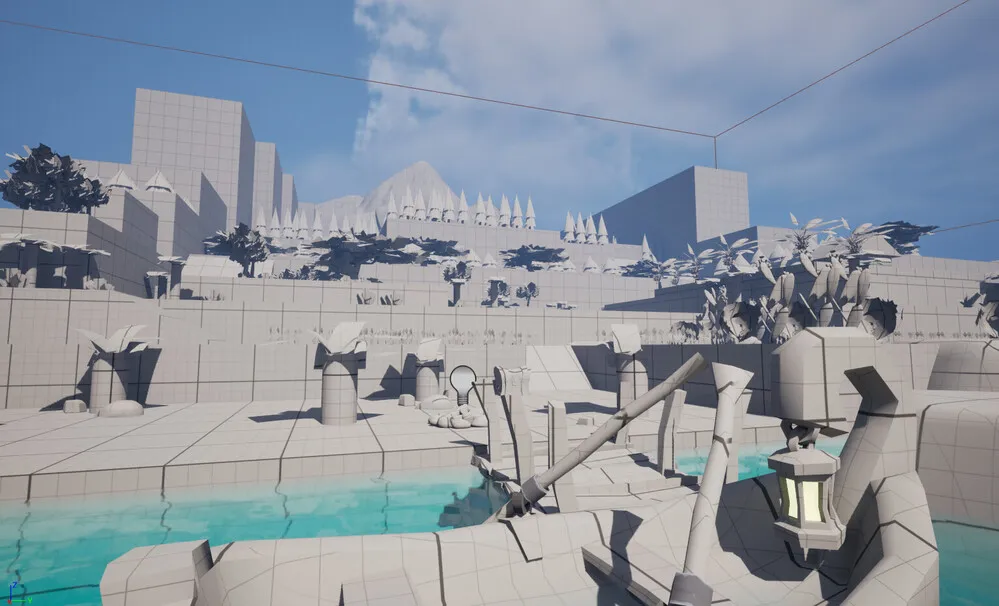
Before full production begins, developers build rough prototypes to test ideas quickly.
Key goals:
- Validate core gameplay mechanics
- Test controls, camera, and basic systems
- Identify what’s fun — and what isn’t
These builds often use placeholder art and simple environments. Visual polish is not the priority. If the core gameplay doesn’t work here, it won’t work later.
Many games are canceled or heavily reworked at this stage.
Strong visuals cannot compensate for gameplay that feels unresponsive or unclear.
Full Production
This is the longest and most resource-intensive phase.
Teams working in parallel:
- Designers refine mechanics, levels, and systems
- Artists create characters, environments, UI, and animations
- Programmers build gameplay systems, AI, physics, and tools
- Writers develop narrative, dialogue, and worldbuilding
- Audio teams produce music, sound effects, and voice work
Large projects succeed when teams stay coordinated, not when they move quickly.
Most studios use engines like Unity or Unreal Engine to speed up development, but large games still require years of coordinated effort.
Features are constantly adjusted based on performance, playtesting, and scope.

Testing and Quality Assurance (QA)
Stability often improves more from reducing errors than from adding features.
Once the game is content-complete, testing ramps up.
QA focuses on:
- Finding and documenting bugs
- Testing performance on different hardware
- Ensuring progression can’t break
- Verifying achievements, saves, and menus work correctly
Contrary to popular belief, QA doesn’t “fix” bugs — they identify them. Developers then decide what can realistically be fixed before launch.
This phase often overlaps with production and intensifies near the end.
A Recent Development Example
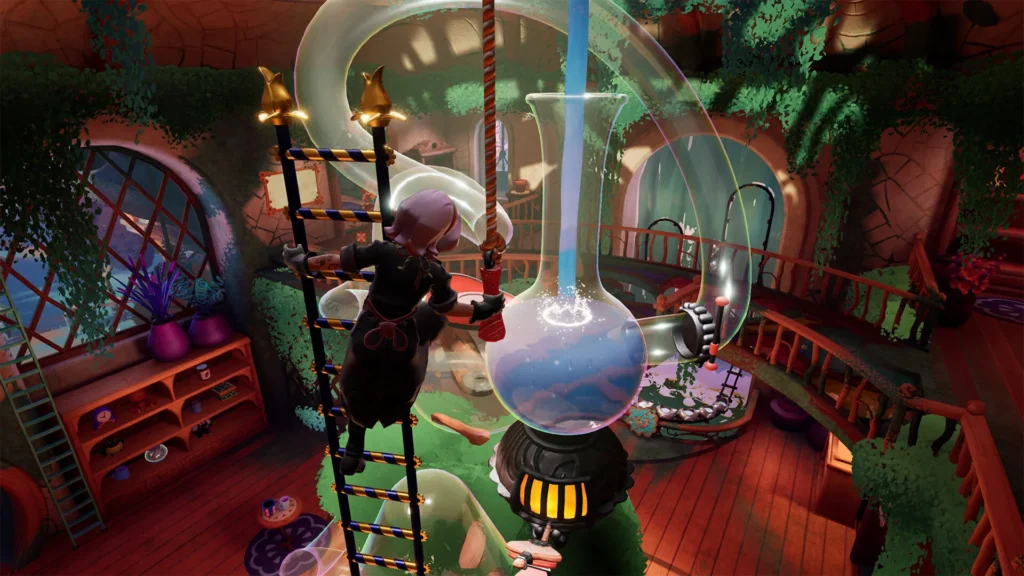
A recent example that reflects this development process is Wanderstop, released in March 2025.
- Concept & Pre-Production: The game began as a small narrative idea focused on rest, healing, and routine. Early planning defined its cozy gameplay loop (tea-making, farming, conversation) and emotional tone.
- Prototyping: Early builds tested whether slow, low-pressure gameplay could still feel engaging, leading to revisions in pacing and interaction design.
- Full Production: Over several years, the team expanded the world, refined systems, wrote dialogue, created art and music, and adjusted scope to fit a small-team production.
- Testing & QA: Playtesting focused on stability, narrative flow, and ensuring players couldn’t break progression.
- Launch: The game shipped across PC and consoles, with post-launch patches addressing minor issues and polish.
Wanderstop shows how even smaller games follow the same structured pipeline as AAA titles — just at a different scale.
Certification, Marketing, and Launch
Before release, console games must pass certification checks from platform holders. These ensure: – System features work correctly – No critical crashes occur – Platform rules are followed.
At the same time, marketing ramps up:
- Trailers and previews are released
- Review copies are sent to media
- Store pages go live
Launch day is not the end — it’s often the beginning of patches, updates, and post-launch support.

Why Games Launch the Way They Do
Understanding how games are made explains several common realities:
- Delays often mean unresolved technical or design issues
- Cut features are usually scope or stability decisions
- Day-one patches are normal, not an afterthought
- Smaller teams can’t match AAA output — and shouldn’t be expected to
A polished game is usually the result of strong planning, realistic scope, and time — not just talent.
Making Games Is a Structured Process
Successful player experiences are shaped by an understanding of user needs.
Video games aren’t built overnight or by accident. They are the result of deliberate planning, constant iteration, and collaboration across many disciplines. Understanding this process helps players make sense of common realities like delays, cut features, and post-launch patches — and why they often lead to better long-term experiences. When development is well-managed, players benefit from smoother launches, clearer design, and games that feel more complete at release.