From bedroom-built passion projects to global blockbusters, the cost of making a video game spans an enormous range and most players only ever see the final price tag.
Why Game Budgets Are Often Misunderstood
When players buy a game for $20, $40, or $70, it’s easy to assume that price reflects how much it costs to make. In reality, the sticker price tells you almost nothing about the actual investment behind the game.
Some games are built by a single developer over several years, often during nights and weekends. Others involve hundreds of developers, multiple studios across continents, and production pipelines that resemble film and television more than traditional software development. Two games can look similar on the surface and still differ by tens—or hundreds—of millions of dollars in cost.
Understanding game budgets isn’t about defending pricing or excusing delays. It’s about recognizing how scope, time, and risk shape the kinds of games that get made—and why certain creative choices are unavoidable.
There is also a clear publishing reality behind these numbers. As development costs rise, publishers become more cautious, favoring proven genres, sequels, and monetization strategies that can justify large investments. Budget size doesn’t just affect how a game looks; it influences which ideas ever reach players, if at all.

Where the Money Actually Goes
Game development budgets grow over time. Every additional feature, month, or platform adds cost.
Major cost drivers
- Salaries: Programmers, artists, designers, writers, producers, QA, and support staff paid over multi-year development cycles
- Time: Longer production means higher burn rates and increased risk
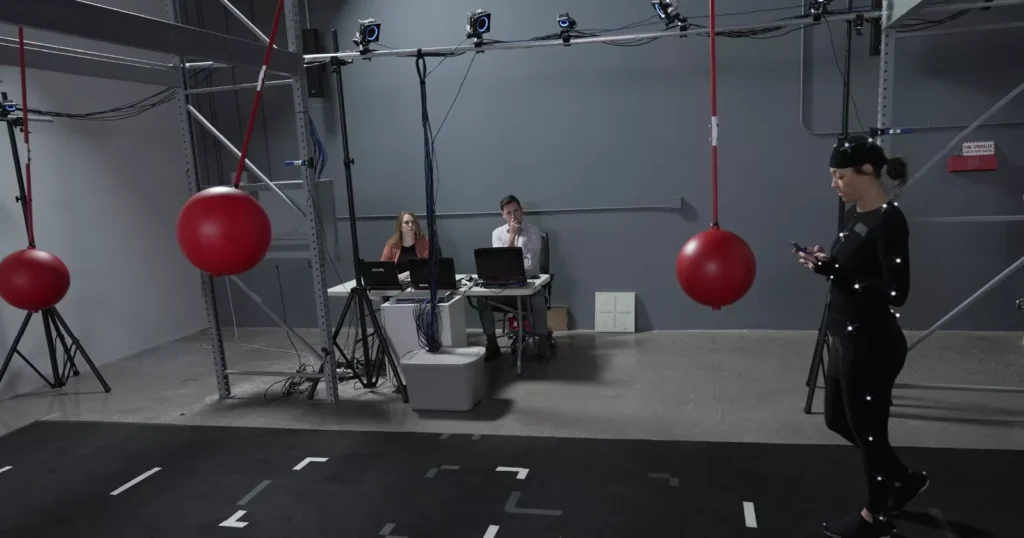
- Technology: Game engines, middleware, licenses, motion capture, audio tools, dev kits
- Art and audio: Character models, environments, animation, music, voice acting, localization
- QA and certification: Platform compliance, bug fixing, performance testing
- Overhead: Office space, hardware, software, HR, legal, insurance
Marketing is often counted separately, but for larger games it can match or exceed development costs.
Types of Game Studios
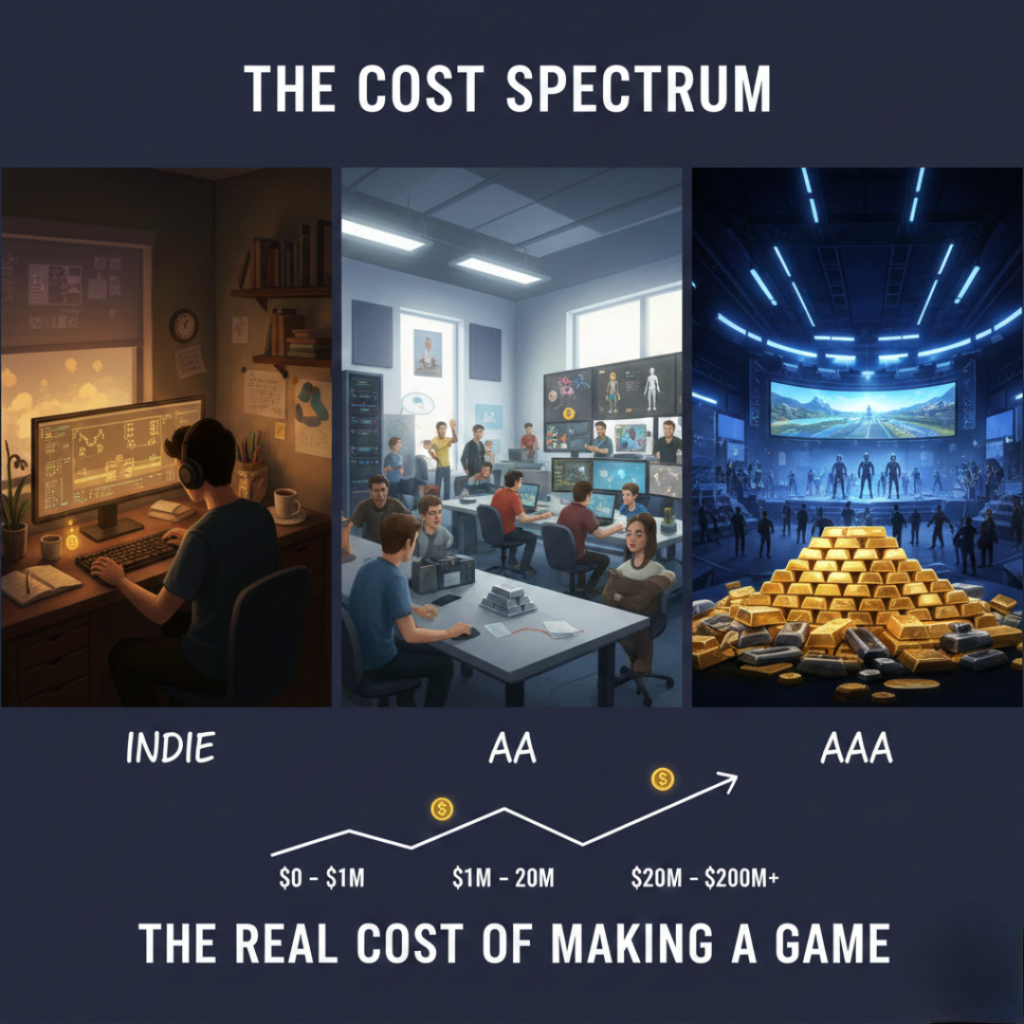
Indie Games: $0 to $1 Million
Indie development has the widest range of budgets because there is no single formula.
Typical scope
- Solo developers or teams of 2–10
- 2D or stylized 3D visuals
- Short to mid-length experiences
- PC-first releases, sometimes consoles later
Realistic budget ranges
- $0–$50,000: Part-time or solo projects, minimal outsourcing, little to no marketing
- $50,000–$250,000: Small teams, paid contractors, original music, limited QA
- $250,000–$1 million: Full-time indie studios, professional audio, marketing spend, console ports
Many indie developers control costs by wearing multiple hats, reusing assets, and tightly limiting scope.
Indie games often emphasize strong ideas and mechanics over technical spectacle, which is why this space consistently produces fresh and experimental experiences.
AA Games: $1 Million to $20 Million
AA games occupy the middle ground—professional productions without blockbuster-level spending.
Typical scope
- Teams of 20–80 developers
- 3D visuals with controlled realism
- 10–30 hour campaigns
- PC and console releases
Realistic budget ranges
- $1–$5 million: Focused design, limited voice acting, smaller environments
- $5–$20 million: Full voice work, cutscenes, outsourced art and animation
AA studios often make deliberate trade-offs to stay within budget, choosing depth over breadth.
AA games frequently deliver polished gameplay and clear creative direction without the bloat or risk-aversion common in larger productions.
AAA Games: $20 Million to $200+ Million
AAA development is closer to running a large media production than making traditional software.
Typical scope
- Hundreds of developers across multiple studios
- High-end graphics and performance capture
- Fully voiced narratives and cinematic presentation
- Global, multi-platform launches
Realistic budget ranges
- $20–$50 million: Smaller AAA projects or new IPs
- $50–$100 million: Established franchises
- $100–$200 million or more: Open-world or live-service games
Marketing campaigns can double total investment, covering trailers, events, advertising, and influencer partnerships.
AAA games aim for scale and polish, but the financial risk often pushes studios toward familiar formulas.
The Ongoing Cost After Launch
Development does not end at release.
Post-launch expenses often include:
- Patches and bug fixes: Ongoing updates to resolve issues discovered after launch and to maintain stability across platforms.
- New content and expansions: Additional missions, modes, or features designed to retain players and extend the game’s lifespan.
- Server infrastructure: Hosting, maintenance, and scaling costs for online features, matchmaking, and live services.
- Community management: Dedicated staff handling player feedback, moderation, support, and communication across platforms.
- Security and anti-cheat support: Continuous monitoring and updates to prevent exploits, cheating, and account abuse.
For live-service games, years of ongoing support can exceed the original development budget.
Why Budget Does Not Equal Quality
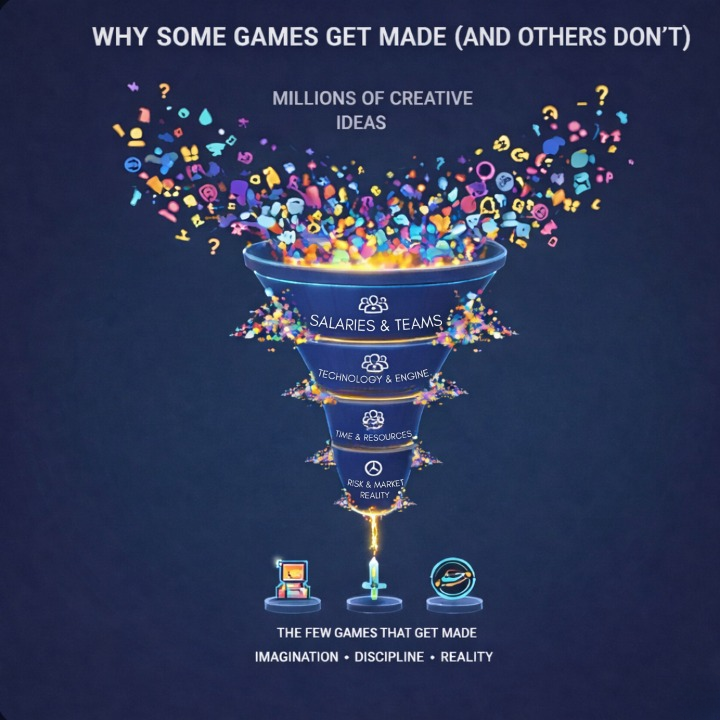
Higher budgets do not guarantee better games. Larger teams are harder to coordinate, longer timelines increase creative drift, and big investments reduce tolerance for experimentation. As scope grows, clarity often shrinks.
Many respected games succeed not because they had more resources, but because they had a strong creative vision and the discipline to execute it effectively. Limited budgets can force focus, smarter decision-making, and tighter design. By contrast, heavily funded projects can still fail if vision is unclear or execution falters.
In game development, as in many creative fields, success ultimately comes down to imagination, intent, and execution—not the size of the budget behind them.
Real-World Examples by Budget Tier
To make these budget ranges more concrete, here are well-documented real-world examples from each category. Budgets are approximate and based on developer interviews, public statements, and postmortems.
Indie Game: Stardew Valley
The game was developed almost entirely by one person, with music, art, and code handled solo.
- Developer: Eric Barone (solo developer)
- Estimated budget: Under $100,000 (primarily living expenses over ~4 years)
- Scope: 2D farming RPG with pixel art, single-player focus
This is a clear example of how time investment can substitute for financial investment in indie development.

AA Example: Hellblade: Senua’s Sacrifice
Built by a mid-sized team using AAA techniques on a controlled budget.
- Developer: Ninja Theory
- Estimated budget: ~$10 million
- Scope: Narrative-driven 3D action game with performance capture
This project was explicitly positioned by the studio as a “AA” game—cinematic quality without blockbuster spending.
AAA Example: Grand Theft Auto V
One of the most expensive games ever made, involving multiple studios worldwide.
- Developer: Rockstar Games
- Estimated budget: $250+ million (development + marketing)
- Scope: Massive open-world action game with online support
This represents the extreme high end of AAA development, where scale, longevity, and global reach drive costs upward.
Where Budget Fits in the Bigger Picture
The cost of making a game is ultimately a reflection of trade-offs. Time can replace money, but only up to a point. Bigger teams bring more polish, but also more risk and creative constraint. Smaller teams move faster, but must accept limits in scale and presentation.
For players, understanding these realities adds context to why some games feel focused and experimental while others aim for spectacle and familiarity. Budgets don’t determine quality, but they strongly influence creative freedom, production timelines, and the kinds of risks developers are allowed to take. Knowing that helps explain not just how games are made—but why the industry produces the mix of titles players see today.